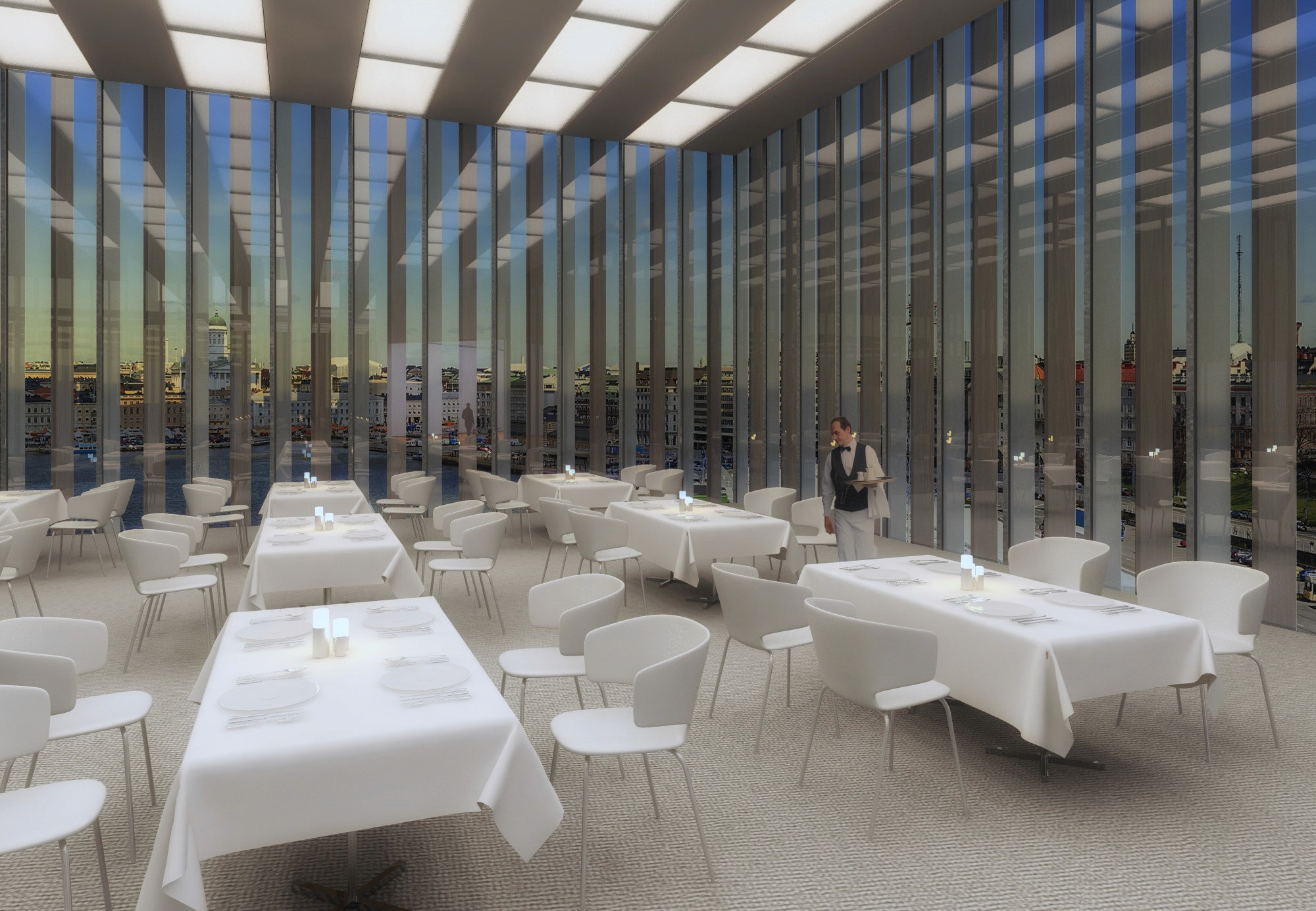
Guggenheim, Helsinki, 2014
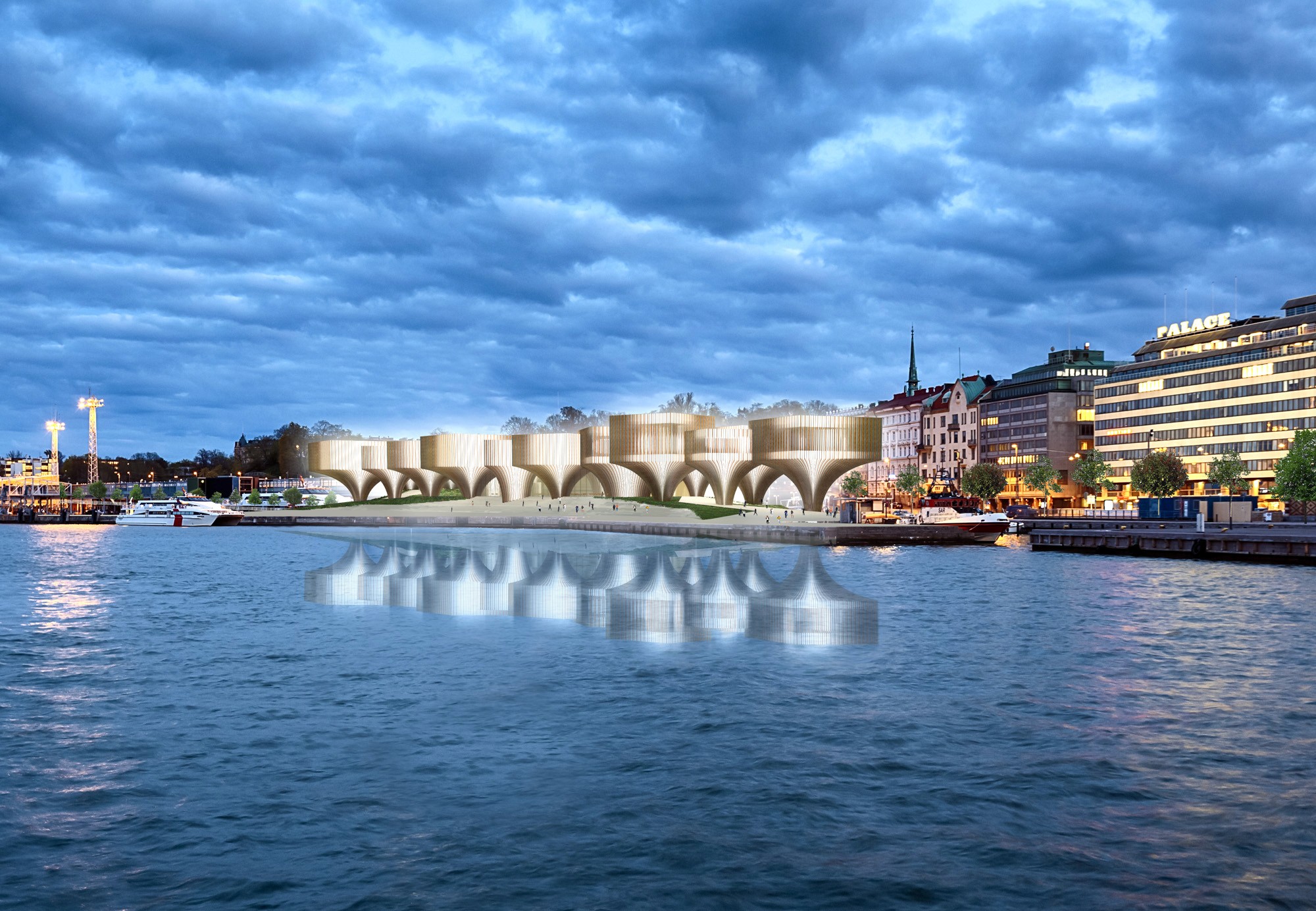
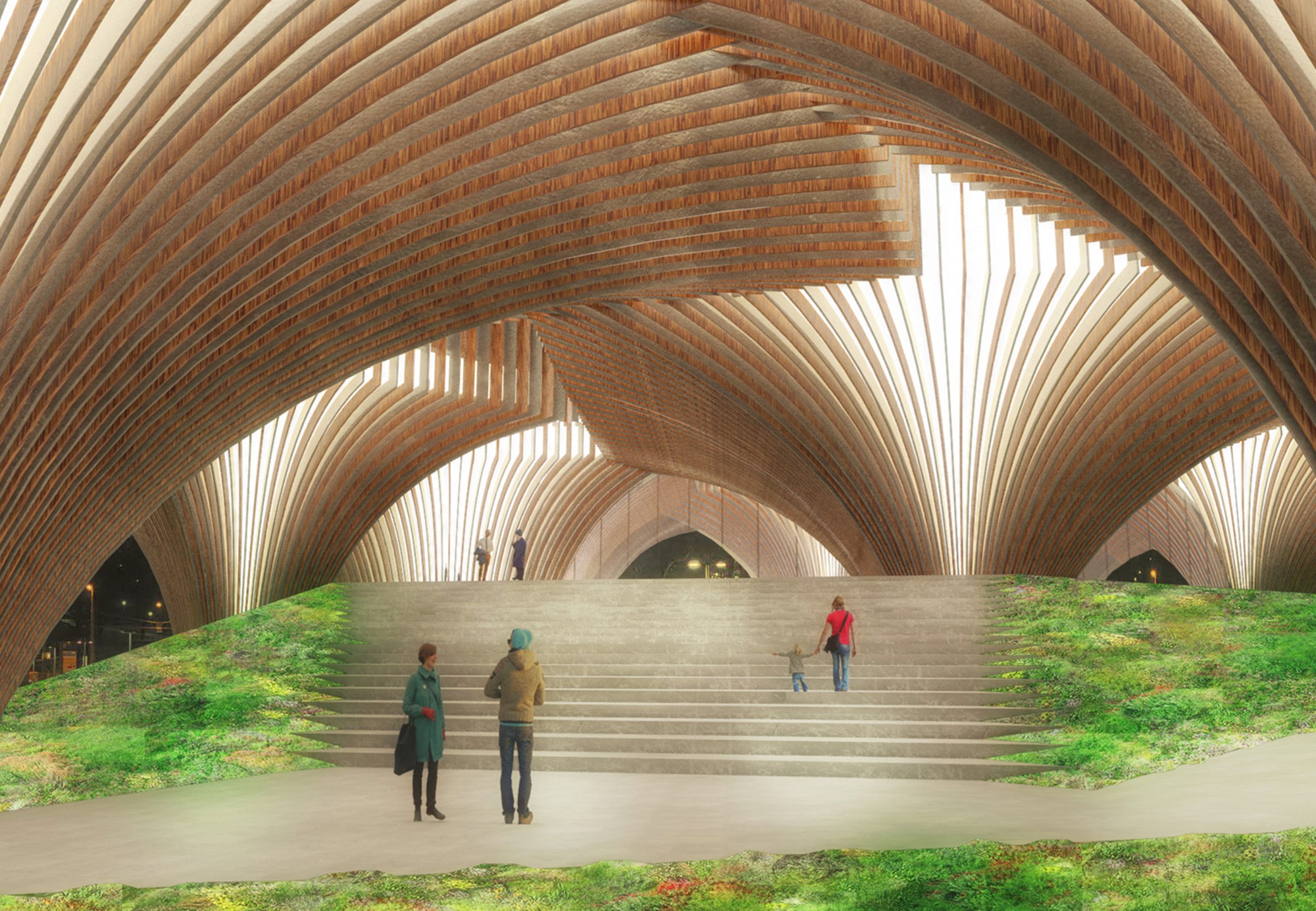
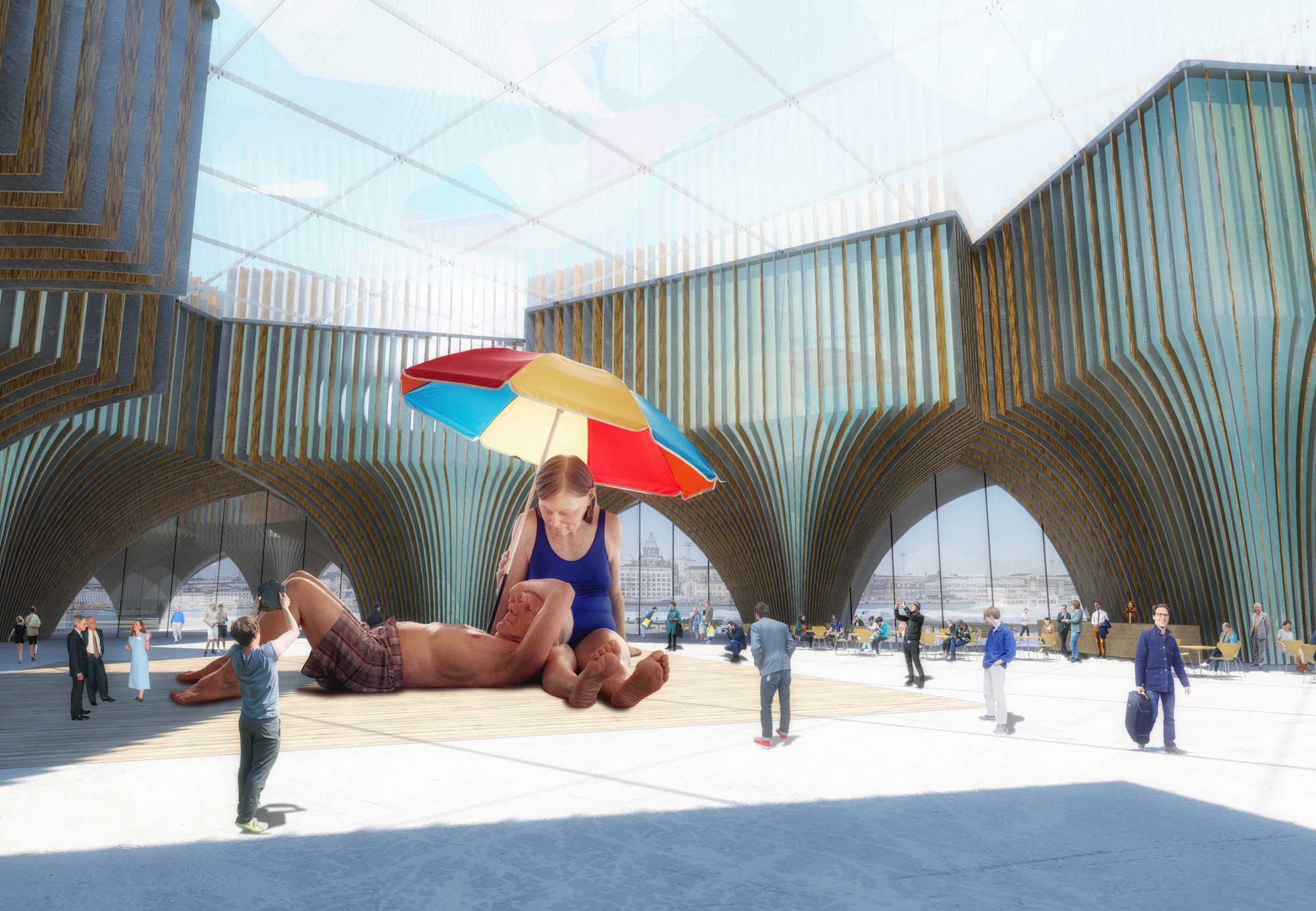
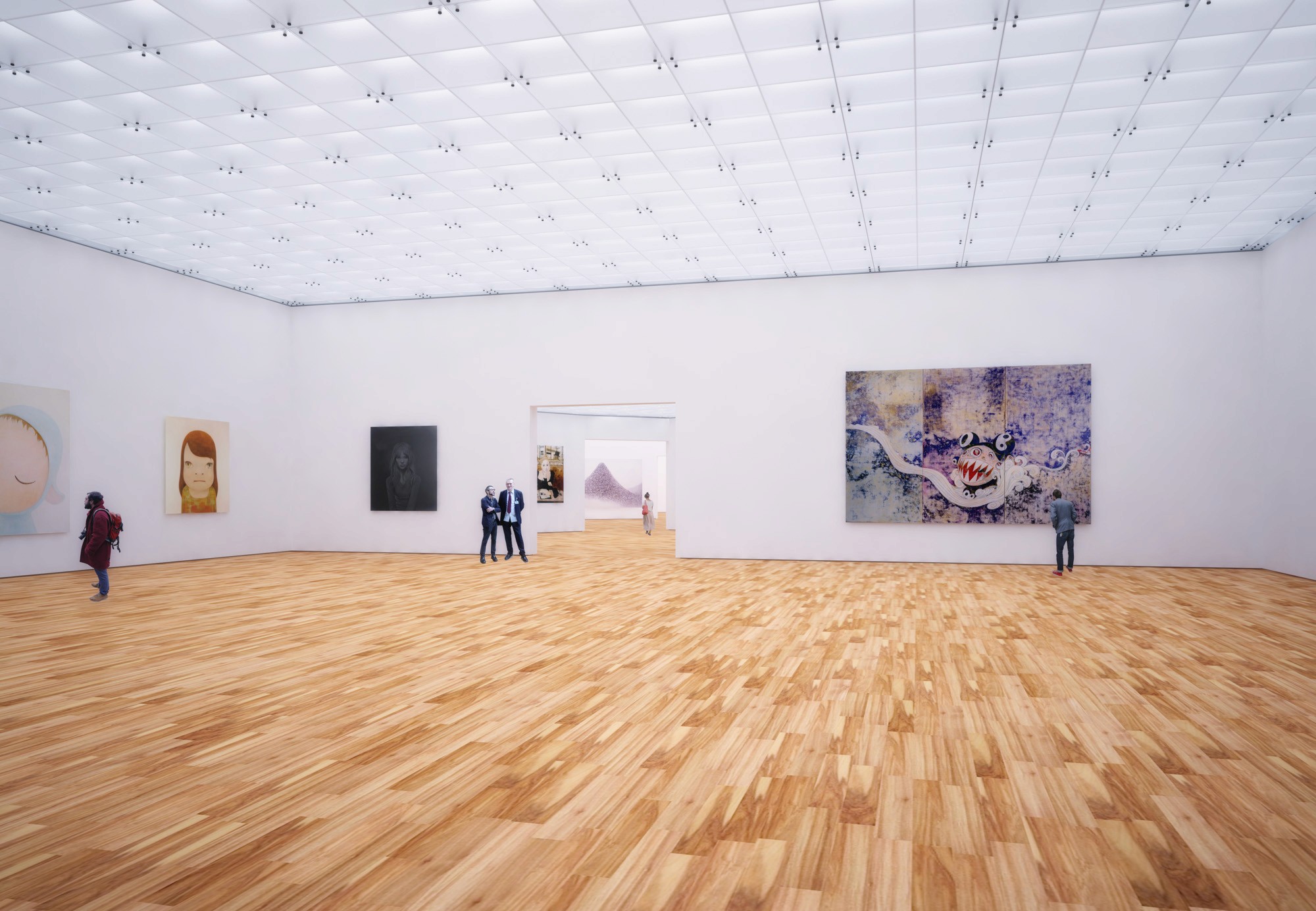
The Guggenheim Helsinki competition began with research into three histories: the museum, pedagogy, and the site itself. Pedagogy became the lens through which the museum was reexamined. In ancient Greece, knowledge was exchanged in the agora, a public space where culture, commerce, politics, and everyday life intersected. Before art and learning became separate institutions, they shared the same civic space. The proposal developed three themes: Museum, Nature, and Port. The museum was conceived as a combination of exhibition, pedagogy, and agora. Exhibition provided intimate spaces for art, while the agora functioned as a flexible public platform connecting learning, gathering, and cultural exchange. Positioned at ground level, it directly engaged the city and became the social center of the project. Nature, a fundamental element of Nordic culture, was reinterpreted through a forest-like structural system. Tree-shaped columns formed a landscape rather than a conventional building, creating diverse spatial conditions beneath the museum while supporting the galleries above.
The site's historic role as a working port was also preserved. Together, museum, nature, and port formed a new civic landscape—a contemporary agora and a pedagogical destination for Helsinki.
Images : Archiee studio